Starting a rugby club from scratch might seem like a daunting prospect, but with the right approach and a dedicated group of enthusiasts, you can create a thriving community hub that serves generations of players. Whether you're looking to fill a gap in your local area or simply passionate about bringing rugby to your community, this comprehensive guide will walk you through every step of the journey.
Understanding the Initial Requirements
Before you dive into the practicalities, it's essential to understand what starting a rugby club truly entails. You'll need a core group of committed individuals who share your vision, ideally with diverse skills ranging from coaching and administration to fundraising and marketing. This founding committee will form the backbone of your club during those crucial early months.
The Rugby Football Union (RFU) for union clubs or the Rugby Football League (RFL) for league clubs should be your first port of call. Both organisations offer extensive support packages for new clubs, including guidance documents, start-up grants, and access to development officers who can provide hands-on assistance. Registering your interest early means you'll benefit from their expertise throughout the formation process.
Establishing Legal Structure and Governance

Every rugby club needs a solid legal foundation. Most community clubs operate as unincorporated associations or Community Amateur Sports Clubs (CASCs), with the latter offering significant tax advantages. You'll need to draft a constitution that outlines your club's objectives, membership structure, and decision-making processes.
Your constitution should cover key areas including membership categories and fees, the roles and responsibilities of committee members, financial management procedures, and protocols for annual general meetings. Templates are available from both the RFU and RFL, which you can adapt to suit your specific circumstances.
Don't overlook the importance of proper insurance. Public liability insurance is absolutely essential, and you'll also need cover for your volunteers, equipment, and facilities. The governing bodies can recommend specialist sports insurance providers who understand rugby's unique requirements.
Securing Facilities and Equipment
Finding suitable training and playing facilities is often one of the biggest challenges for new clubs. Start by approaching your local council about available pitches and changing facilities. Many councils actively support community sports initiatives and may offer preferential rates or even grant funding for new clubs.
School partnerships can be invaluable, particularly if you're planning to develop junior sections. Many schools have excellent facilities that sit unused during evenings and weekends. In return for pitch access, you might offer coaching support or priority places for their pupils.
Initial equipment costs can be substantial, but you don't need everything immediately. Priority purchases include basic training equipment like balls, cones, and tackle bags, a first aid kit that meets rugby safety standards, and playing kit for at least one team. As your club grows and generates income, you can gradually expand your equipment inventory.
Recruiting Players and Coaches
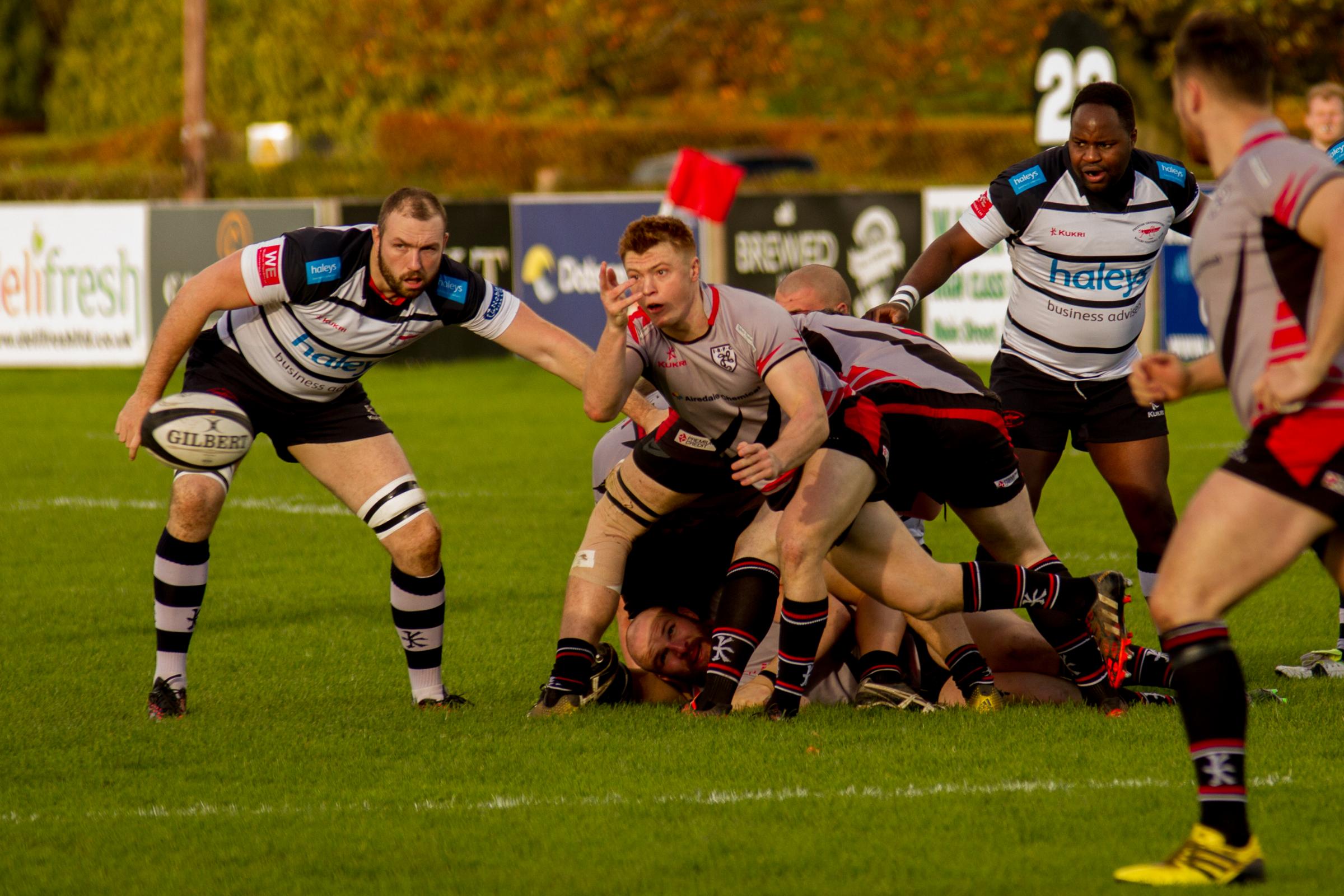
Building your initial player base requires creative marketing and genuine community engagement. Social media platforms are powerful tools for spreading the word – create accounts on Facebook, Instagram, and Twitter to share your vision and recruit members. Local press often welcome good news stories about community initiatives, so don't be shy about contacting your regional newspapers and radio stations.
Consider hosting open days or taster sessions to introduce rugby to potential players. These events work particularly well when combined with local festivals or community gatherings. Make them welcoming and fun, emphasising that rugby is a sport for everyone regardless of experience or fitness level.
Recruiting qualified coaches is crucial for your club's success and safety. The RFU and RFL both operate coaching courses at various levels, from introductory sessions to advanced qualifications. You might find that some of your founding members are willing to undertake coaching qualifications, or you could approach recently retired players who might welcome the opportunity to stay involved in the game.
Financial Planning and Fundraising
Developing a realistic budget is essential before you accept your first member. Calculate your fixed costs including pitch hire, insurance, affiliation fees, and equipment, then estimate variable costs based on projected membership numbers. This exercise will help you set appropriate membership fees that cover costs whilst remaining accessible to your community.
Fundraising will likely be necessary, particularly in your first few years. Local businesses often support community sports clubs through sponsorship, either financially or through equipment donations. Grant funding is available from various sources including Sport England, the Rugby Football Foundation, local councils, and charitable trusts focused on community development or youth sports.
Don't underestimate the value of traditional fundraising activities like quiz nights, race nights, and car boot sales. These events not only generate income but also build team spirit and raise your club's profile in the local community.
Building Club Culture and Community

The strongest rugby clubs are built on more than just what happens on the pitch. From day one, focus on creating an inclusive, welcoming culture that reflects rugby's core values of teamwork, respect, enjoyment, discipline, and sportsmanship. Your club should be a place where people of all backgrounds feel valued and supported.
Establish clear codes of conduct for players, coaches, and spectators that promote positive behaviour and outline consequences for breaches. Appoint a welfare officer who can safeguard vulnerable members and ensure your club meets all DBS and safeguarding requirements.
Consider what makes your club unique. Perhaps you're specifically focused on providing opportunities for underrepresented groups, or maybe you're building a family-friendly environment where multiple generations can play together. Whatever your distinctive character, celebrate it and let it guide your decision-making.
Developing Pathways and Partnerships
Even as a new club, it's worth thinking about player development pathways. How will you support talented youngsters who might progress to representative rugby? What opportunities exist for adult beginners to develop their skills? Building relationships with established clubs in your area can create mutually beneficial partnerships where players can move between clubs as their needs change.
Youth development should be central to your planning if you're including junior sections. Work closely with local schools and the governing body's youth development officers to create age-appropriate training programmes. Remember that youth rugby has specific regulations around contact and competition that you must follow.
If you're looking for inspiration or want to see how other clubs have structured themselves, browse our directory to explore established clubs across the UK. Many will be happy to share their experiences and offer advice to new clubs.
Taking the First Steps
Starting a rugby club is undoubtedly challenging, but it's also incredibly rewarding. You'll be creating something that brings people together, promotes physical and mental wellbeing, and potentially transforms your community. The key is to start with a clear vision, build a strong foundation, and remain focused on sustainable growth rather than trying to do everything at once.
Begin by gathering your core team and contacting your governing body. Attend a few local rugby matches to understand the landscape and make connections. Most importantly, believe in your vision and the positive impact your club can have.
Ready to bring rugby to your community? Whether you're in the early planning stages or ready to register your newly formed club, our directory is here to support grassroots rugby across the UK. Once established, make sure you register your club with us to help local players find you and become part of the wider rugby family.