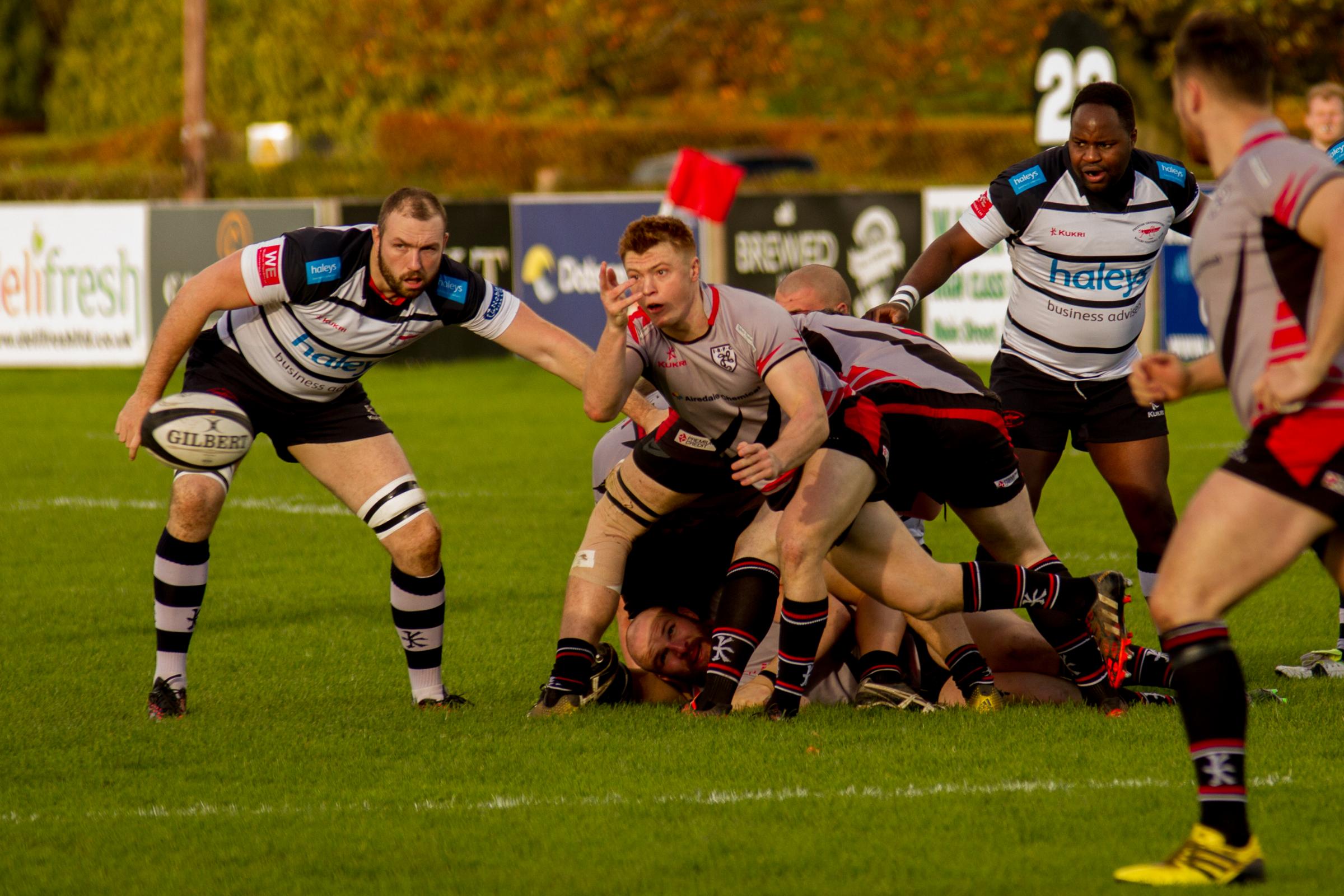
Rugby is one of the most welcoming sports for adult beginners in the UK. Unlike many team sports where a lack of childhood experience creates a permanent disadvantage, rugby clubs actively recruit adults at all stages of life — and most clubs run sessions specifically designed for people who have never played before. This guide covers everything you need to know to take the first step.
Why Rugby Is Perfect for Adult Beginners
The most common misconception about starting rugby as an adult is that you need to be a particular body type. Rugby is genuinely a sport for every physique. Forwards and backs require different physical attributes, and within each position group there is further variety. Tall players, short players, fast players, powerful players — all have a natural home somewhere on the pitch.
The second misconception is that clubs only want experienced players. In reality, most community rugby clubs in the UK depend on a steady flow of new adult members to sustain their squads and their finances. Your arrival as a beginner is genuinely welcomed.
Rugby Union or Rugby League?
Before finding a club, it is worth knowing the difference between the two codes of rugby played in the UK.
Rugby union is played with 15 players per side and is the more widely played code across England, Scotland, Wales and Northern Ireland. The RFU registers over 1,900 clubs in England alone, meaning that wherever you live in the UK, there is almost certainly a rugby union club within reasonable distance.
Rugby league is played with 13 players per side and has different rules around tackling and play-the-ball. It has its strongest community following in Yorkshire, Lancashire, Greater Manchester, and Cumbria, though clubs are increasingly active across a broader geography.
If you are not sure which to choose, location will often decide for you — use the UK Rugby Club Directory to search for both union and league clubs near you and see which has the most convenient training nights.
How to Find a Club Near You

The easiest way to find a rugby club near you is to search the UK Rugby Club Directory. Enter your town or postcode and you will see all clubs in your area with full contact details, training times, and information about the teams they run.
Once you have identified a club that is geographically convenient, the next step is contact. Most clubs have a contact email or phone number on their website and in their directory listing. Drop them a message explaining that you are a complete beginner who would like to come along to a training session. You will almost always receive a warm and encouraging reply.
What to Expect at Your First Training Session
Arriving at your first rugby training session is likely to feel less intimidating than you expect. Most clubs run sessions of 75–90 minutes, usually on a Tuesday and/or Thursday evening, with a format roughly along these lines:
Warm-up (15 minutes): Light running, passing drills, basic handling to get the ball in your hands early.
Skills session (30–40 minutes): This is where new players learn or revise the core skills — passing, receiving, tackling technique, rucking basics, lineout and scrum work. Coaches will pair you with experienced players who are used to helping beginners.
Conditioned game or practice match (20–25 minutes): Putting the skills into a game-like context. As a beginner you will be guided through this, and teammates will help you understand positioning.
Clubhouse time: Arguably the part rugby does better than any other team sport. Post-training social time at the clubhouse bar is where friendships are built and where clubs become communities.
What Kit Do You Need?
For your first session, you need almost nothing. Wear comfortable sports clothing — leggings or shorts, a t-shirt, and trainers are fine. Boots are the only real purchase you will need before committing, and even those can wait until after your trial session.
When you decide to commit, the essentials are:
Boots: Rugby boots have moulded or metal studs depending on the surface. Moulded studs are suitable for most artificial and dry grass pitches. Metal studs (screw-ins) give better grip on wet, muddy surfaces. Expect to pay £40–80 for a good pair of beginner boots.
Gumshield: A moulded gumshield is essential and is available from any sports shop for around £20–30. Some clubs can arrange a custom-fitted gumshield through their club dentist.
Kit: Most clubs will issue a training shirt and match jersey once you join. Training shorts and socks are usually available to purchase through the club shop.
Optional protection: Shoulder pads, padded shorts, and headguards are permitted but not required. Most experienced players do not wear headguards; newcomers sometimes find them reassuring in the early weeks.
Costs
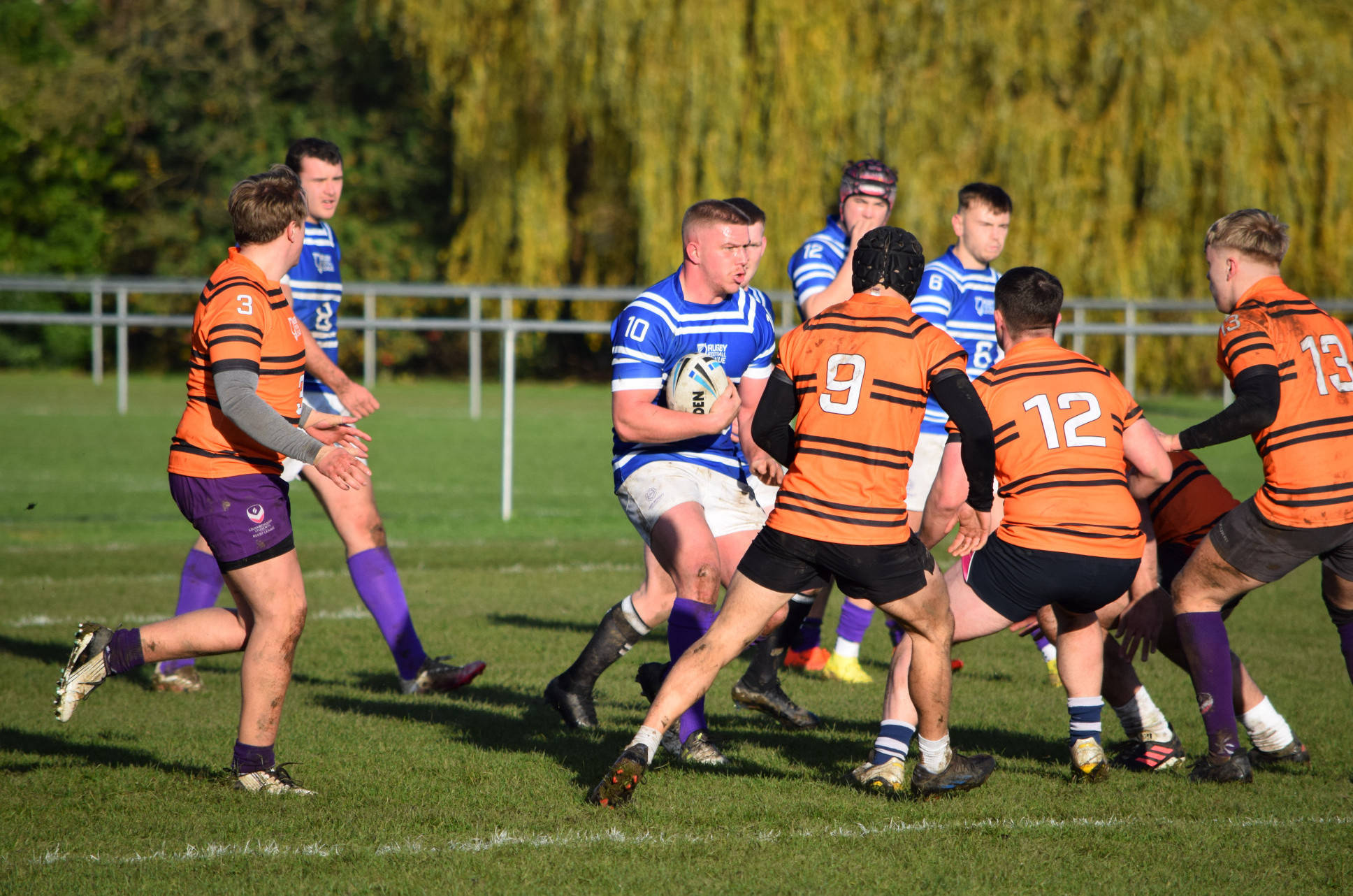
Most community rugby clubs in the UK charge a membership fee that covers the full season. Fees vary considerably depending on the club, but a typical range for a senior player is £100–250 per season, which works out at around £5–10 per session when spread over a typical 25–30 week season. Match fees of £5–10 per game are common on top of membership.
Many clubs also offer pay-as-you-train options for people who want to try before committing to a full season membership. Ask about this when you make your initial contact.
Find Your Club
If this guide has convinced you that rugby is worth trying, the next step is straightforward. Search the UK Rugby Club Directory to find clubs near you. With over 620 clubs listed across England, Scotland, Wales and Northern Ireland — each with full contact details, training information, and what teams they run — finding the right club for you has never been easier.