Rugby union and rugby league are two codes of the same sport, and yet they are often confused — even by people who have watched one or the other for years. Both involve an oval ball, physical contact, and a deep culture of community and camaraderie, but the rules, structures, and traditions that govern each code are strikingly different. Whether you are new to rugby or simply trying to understand what separates these two games, this guide breaks down the key differences in plain terms.
A Brief History of the Split
To understand the two codes, it helps to know why they exist at all. Rugby union was the original form of the game, codified in 1871 by the Rugby Football Union. For much of the 19th century, it operated as an amateur sport, meaning players were not paid — a rule that was enforced strictly, sometimes harshly.
The tension came to a head in 1895, when a group of northern clubs — predominantly from Yorkshire and Lancashire — broke away to form what would become rugby league. The primary motivation was broken-time payments: compensation for working-class players who needed to cover lost wages when they took time off work to play. The Rugby Football Union refused to allow it, and so the northern clubs went their own way.
From that moment, the two codes evolved separately, developing distinct rules, cultures, and geographic identities that persist to this day.
The Basics: How Each Game Is Played
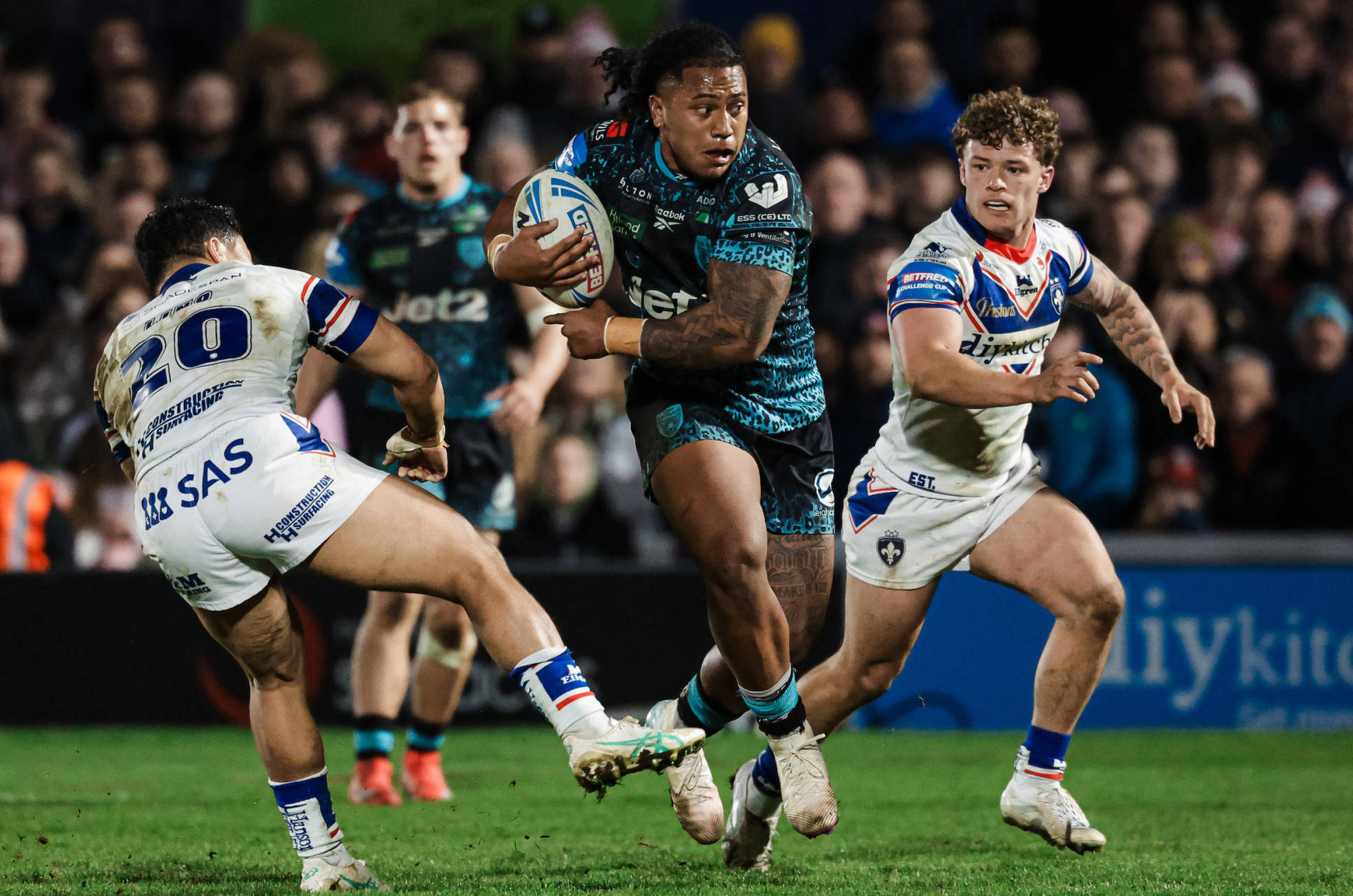
Both codes use an oval ball on a rectangular pitch and involve two teams of players trying to score more points than their opponents. Beyond that, the differences accumulate quickly.
Rugby union is played between two teams of 15 players, while rugby league fields teams of 13 players. The reduced squad size in league means more space on the pitch and generally faster, more open play.
In union, a try is worth 5 points, with a conversion adding 2 more. A penalty kick is worth 3 points, and a drop goal scores 3 points as well. In league, a try scores 4 points, conversions add 2, penalties are worth 2 points, and drop goals score just 1 point. These subtle differences in scoring values can significantly affect how teams approach strategy and risk.
The Tackle and Possession Rules
This is arguably the most significant structural difference between the two codes, and it is what gives each game its distinctive rhythm and feel.
In rugby union, when a player is tackled to the ground, a ruck or maul forms. Other players from both sides compete for possession of the ball on the floor. There is no fixed limit to how many times a team can recycle possession — in theory, they can keep the ball indefinitely, provided they win each contest at the breakdown. This leads to complex, attritional phases of play, and the breakdown is one of the most technically demanding aspects of union.
In rugby league, the rules are far simpler. After a tackle, play restarts immediately with a play-the-ball, where the tackled player rolls the ball backwards with their foot to a teammate. Crucially, each team is allowed six tackles before they must hand possession over to the opposition. If they have not scored by their sixth tackle, they typically kick the ball downfield on the last play. This creates a very structured, predictable pattern of play — six tackles, then a kick — that makes league easier to follow for newcomers but rewards teams who can break the pattern with pace and creativity.
Set Pieces: Scrums and Lineouts
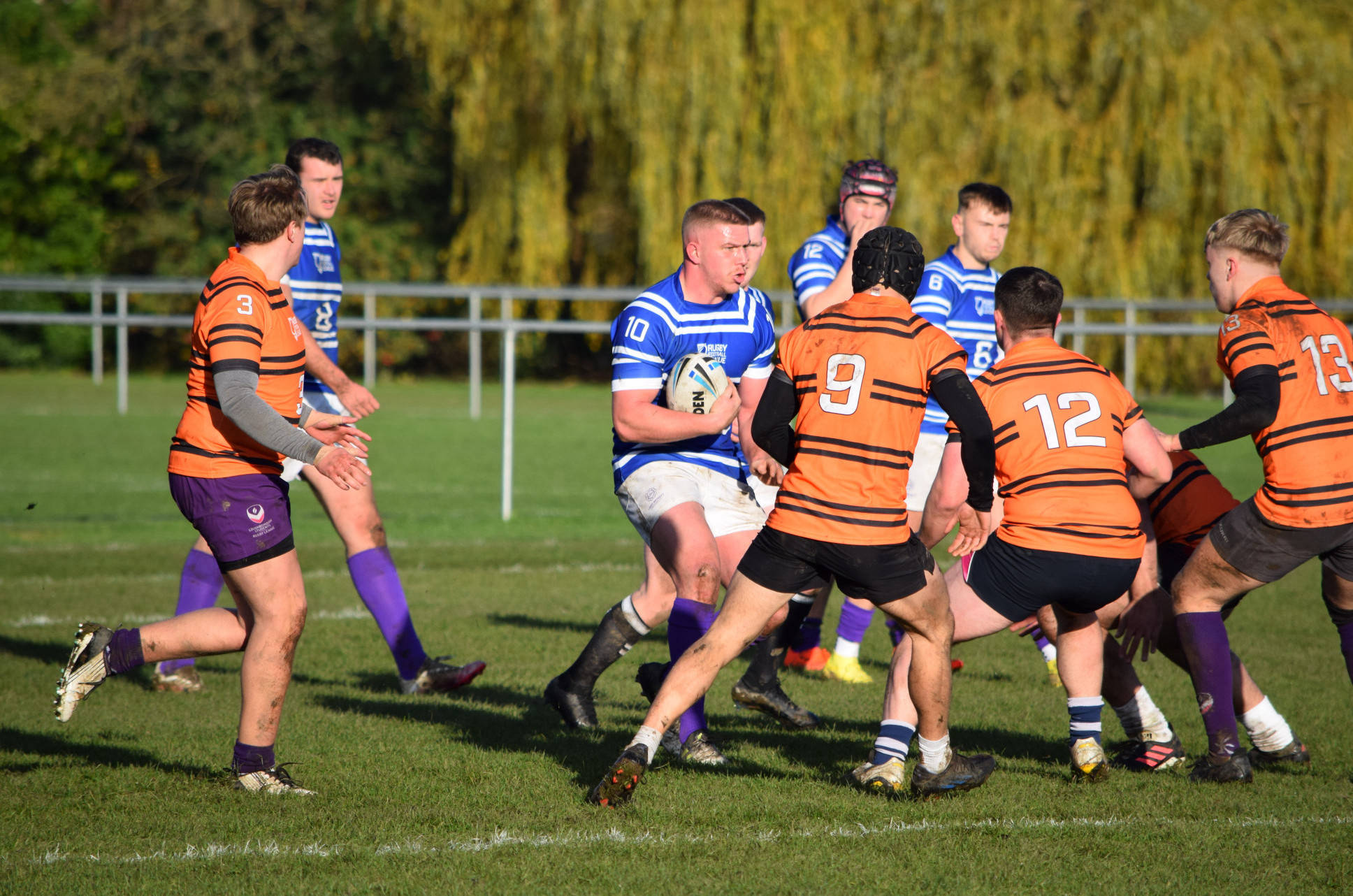
In rugby union, the scrum and lineout are fundamental to the game and are treated as genuine contests for possession. Scrums involve eight forwards from each side binding together and pushing against one another, with the ball fed into the middle. Lineouts — where players are lifted into the air to catch a thrown ball — are similarly competitive and can be won or lost based on positioning and timing.
In rugby league, scrums still exist but are largely a formality. They rarely produce genuine competition for the ball and are mainly used to restart play after certain stoppages. Lineouts do not exist at all in rugby league; when the ball goes into touch, play restarts with a scrum or a tap rather than a contest for the throw.
This difference is part of why union teams carry specialist props, hookers, and locks whose entire role revolves around the set piece — roles that have a very different relevance in the league code.
Geographic Strongholds
The historical split has produced two codes with very different geographic footprints across the United Kingdom.
Rugby league has traditionally been strongest in the north of England — particularly in West Yorkshire, Greater Manchester, and Cumbria. Clubs like Leeds Rhinos, St Helens, Wigan Warriors and Castleford Tigers are among the heartland institutions of the sport. The Super League is the top tier of the professional game and draws huge crowds in these communities, where league is often described simply as "rugby" without any qualifier needed.
Rugby union has a much broader geographic spread, with particular strength in the south of England, Wales, the Midlands and the West Country. The south alone is home to hundreds of amateur clubs, from large city outfits to village sides playing in county leagues on Saturday afternoons — see our South West, Surrey and Essex guides. The Premiership — the top tier of professional union in England — includes clubs from Gloucester, Bath, Exeter, Bristol, and London.
Rugby league in London has long been the subject of development efforts. London Broncos have carried the league flag in the capital for decades, though establishing a sustained top-flight presence has proved challenging. The game has deep roots in northern communities that are simply harder to replicate in a city where union has historically dominated. That said, grassroots league activity does exist in London, and the sport continues to invest in its southern expansion.
Player Roles and Positions
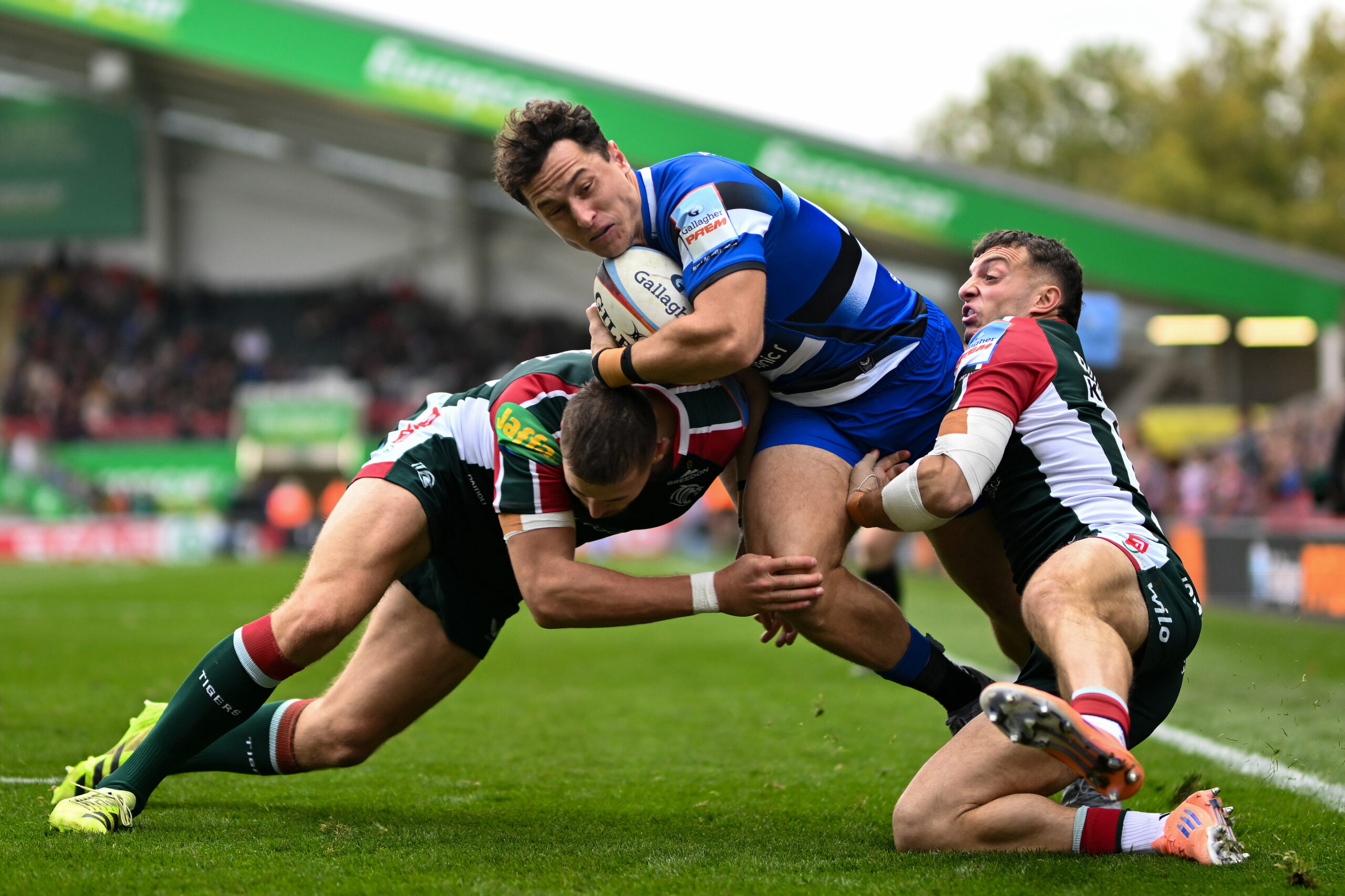
The position names in both codes overlap in some places but diverge considerably in others.
In union, you have loosehead and tighthead props, a hooker, two locks (also called second rows), a blindside flanker, an openside flanker, and a number 8 — all making up the eight forwards. The backs include a scrum-half, fly-half, two centres, two wings, and a fullback.
In league, there are no flankers or number 8s in the same sense. The pack is made up of two props, a hooker, and two second-row forwards, plus a loose forward (sometimes called a lock). The backs include a halfback, stand-off half, two centres, two wingers, and a fullback. The reduced number of forwards means every player carries and tackles frequently — there is less room for a specialist who only performs in the set piece.
The Amateur and Community Game
At the professional level, the two codes have distinct competitions and largely separate audiences. But at the grassroots level, they share a fundamental DNA: community clubs run by volunteers, fuelled by weekend fixtures and post-match socials.
Both union and league clubs are the lifeblood of their local communities. They run junior sections, support schools rugby, and provide a place for players of all abilities to participate in sport. If you live in the south of England and want to play, coach or simply get involved, the chances are you will be joining a union club, given how widespread the code is there. But if you are in parts of north London or have a specific interest in league, there are options there too.
Our directory lists 637 clubs across the UK — browse rugby union clubs or rugby league clubs to find something local, whichever code appeals to you. Whether you are a seasoned player relocating for work, a parent looking for a junior section, or a complete beginner wondering which version of the game suits you best, finding a nearby club is the most practical first step.
Which Code Is Right for You?
There is no objectively correct answer here. Both games offer excellent rugby and strong communities.
- If you enjoy tactical complexity, forward dominance, and set-piece battles, union may suit you.
- If you prefer fast-paced, structured play that is easier to follow and rewards running lines, league could be the better fit.
- If you live in the north of England, you are more likely to have league clubs on your doorstep.
- If you are based in London or the south of England, union will almost certainly be more accessible.
Many players have crossed codes at both amateur and professional levels — it is more common than you might think, and the skills learned in one code frequently translate well to the other.
Final Thoughts
Rugby union and rugby league are not rivals in any meaningful modern sense. They are two distinct expressions of the same fundamental game, each with their own rules, traditions, and passionate supporters. Understanding the differences not only helps you enjoy either sport more fully but also gives you a greater appreciation of the social history behind the split.
Whatever draws you to rugby — the physicality, the teamwork, the culture, or the simple enjoyment of a game on a muddy Saturday afternoon — there is almost certainly a club near you waiting to welcome you through the gate.