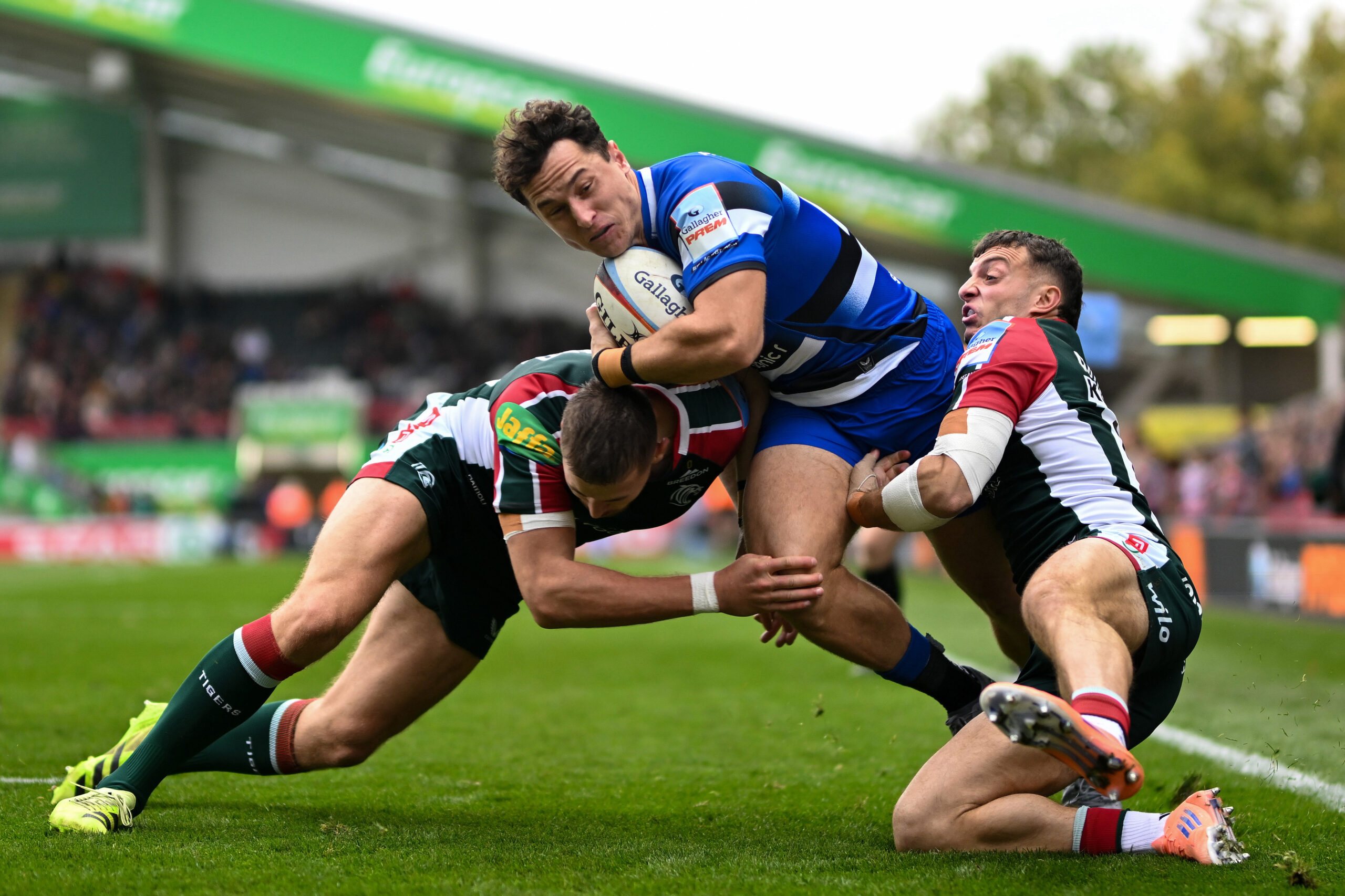
England arrive at the 2026 Six Nations Championship in their strongest position for several seasons. An unbeaten autumn — four wins from four against Australia, Fiji, New Zealand and Argentina — has generated genuine optimism that Steve Borthwick's side can challenge for the title that has eluded them since the 2020 tournament, their last Six Nations crown.
England's Case for the 2026 Title
The autumn results told a clear story about the direction of English rugby. The win over New Zealand was particularly significant — England had not beaten the All Blacks at Twickenham since 2012, and doing so with a performance that blended set-piece dominance with attacking ambition gave real credibility to the notion that this squad is building towards something meaningful.
Steve Borthwick has created a side with a clear identity. The defence is organised and difficult to score against. The set-piece — scrum and lineout — is formidable. And the squad depth, particularly at back row and loosehead prop, has reached a point where Borthwick can rotate without a significant drop in quality.
The Key Players to Watch
Maro Itoje carries the captaincy with authority and remains one of the best second rows in world rugby. His leadership at lineout time and his work rate around the breakdown set the tone for everything England do.
Henry Pollock emerged during the autumn as a genuine international openside flanker — quick to the breakdown, smart at the tackle contest, and composed in possession. At 22, he is already one of the most exciting young players in the northern hemisphere.
Immanuel Feyi-Waboso gave England something they have lacked for years — a genuine attacking threat from the wing who can both create and finish. His footwork and acceleration on the edge of the defensive line makes him a matchday weapon.
The Challenges Ahead
The Six Nations is a different competition from the autumn window. The intensity of five matches in seven weeks, the hostile environments of Dublin, Edinburgh, Cardiff and Paris, and the accumulated fatigue of a long season all create pressures that did not exist in November.
Ireland remain the benchmark. Andy Farrell's side have been the dominant force in the northern hemisphere for four seasons, and their system — built on precision, physicality, and collective understanding accumulated over years — will take significant disruption to overcome.
France at the Stade de France is England's final fixture and a potential title decider. England's record in Paris has been poor in recent years, and the French crowd creates an atmosphere that tests even the most composed visitors.
What the Six Nations Means for Grassroots Rugby
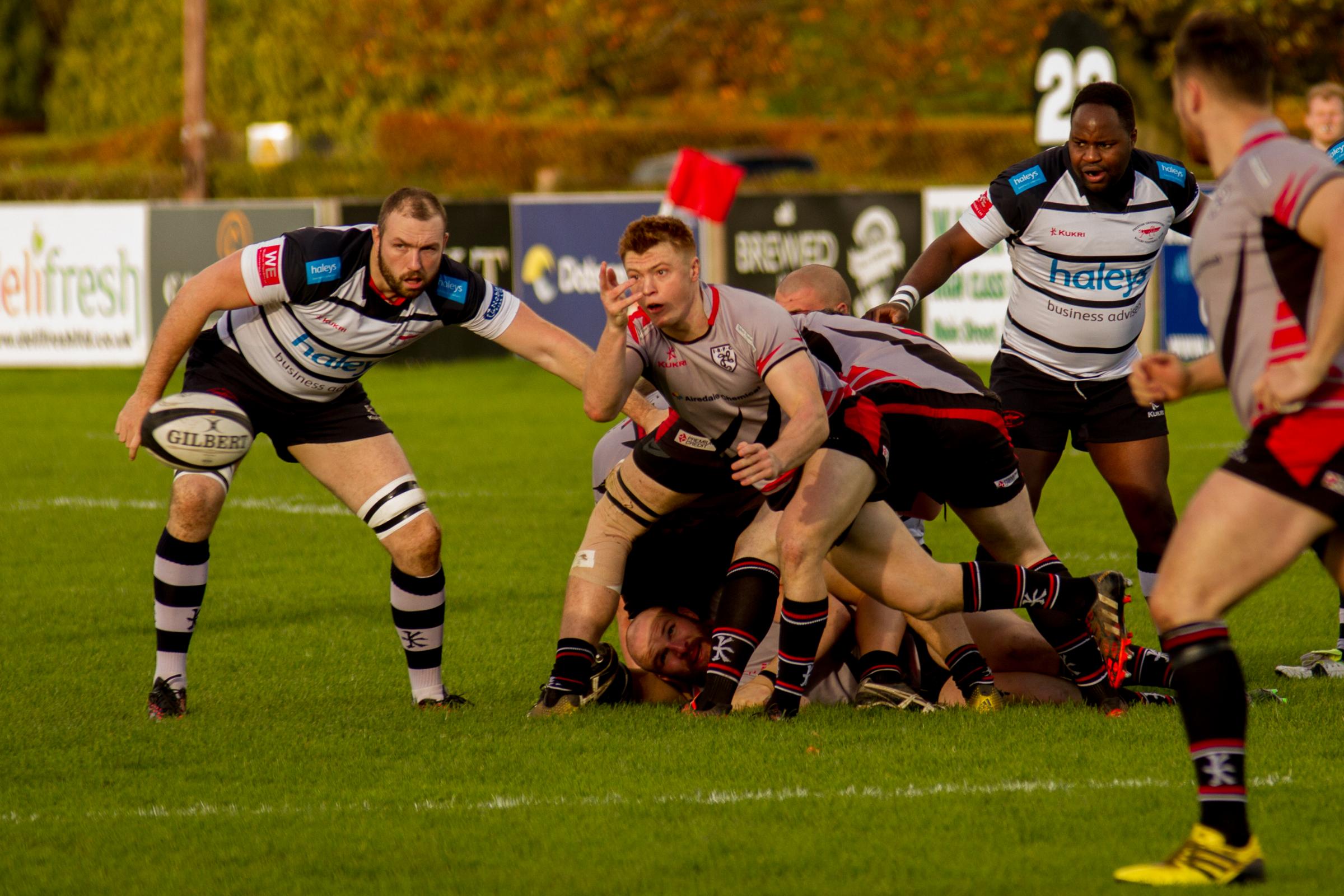
International success has a direct and measurable effect on participation at club level. When England win — and particularly when they win against the southern hemisphere's best — clubs across the country report increased interest from new members, particularly at junior and women's level.
If you have been inspired by England's autumn results to find a rugby club near you, use the UK Rugby Club Directory to search over 620 clubs across England, Scotland, Wales and Northern Ireland. Most clubs welcome complete beginners and run open training sessions throughout the autumn and winter months.