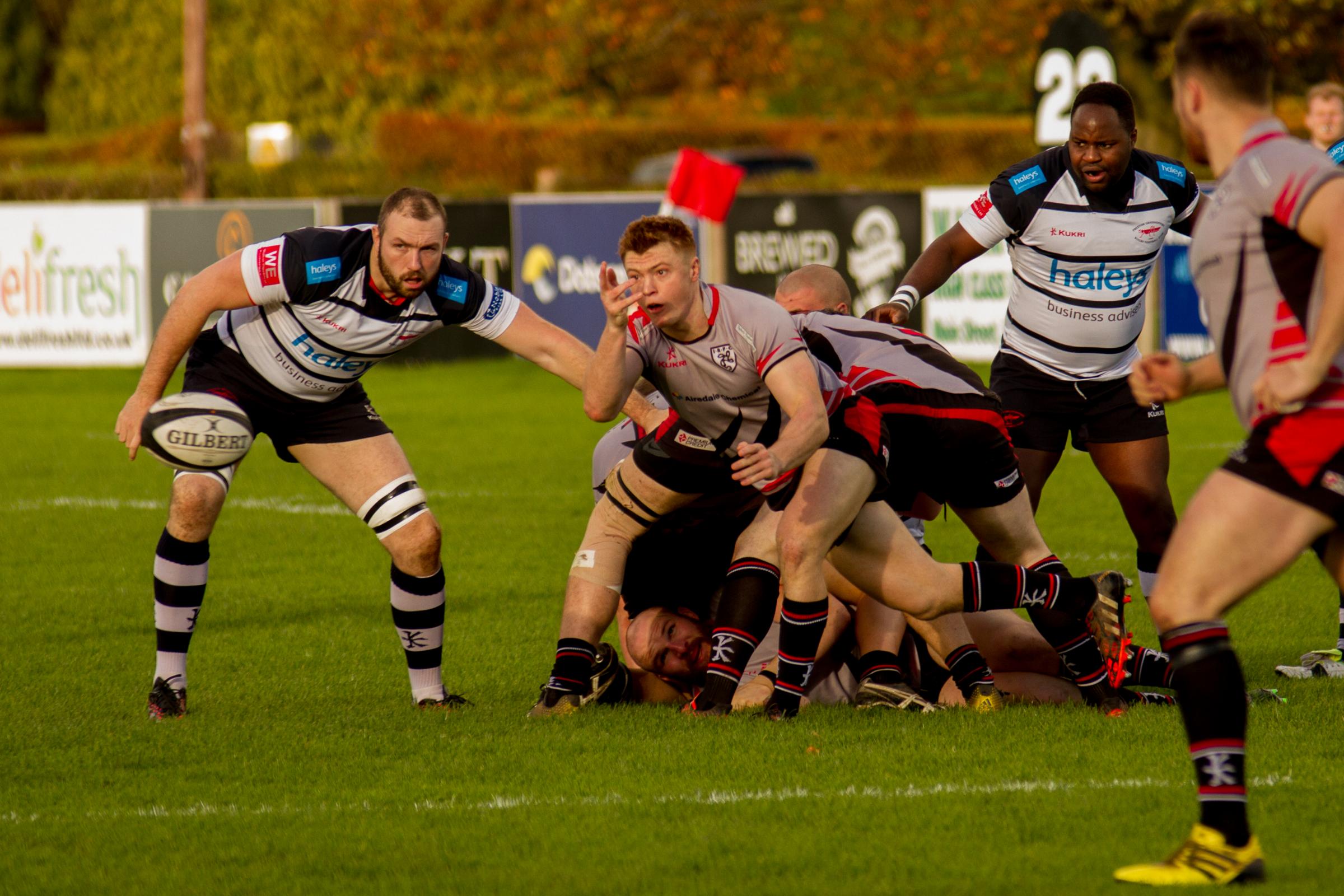
Finding a rugby club is easier than most people expect. There are community clubs in almost every town in England, Wales and Scotland, and in many parts of Northern Ireland, and nearly all of them want new players. The hard part is knowing what to look for and who to ask. This guide walks you through it step by step, whether you are a complete beginner, an ex-player coming back, or a parent looking for a junior section.
Step 1: Decide which code you want to play
There are two main codes of rugby in the UK, and most clubs play only one of them.
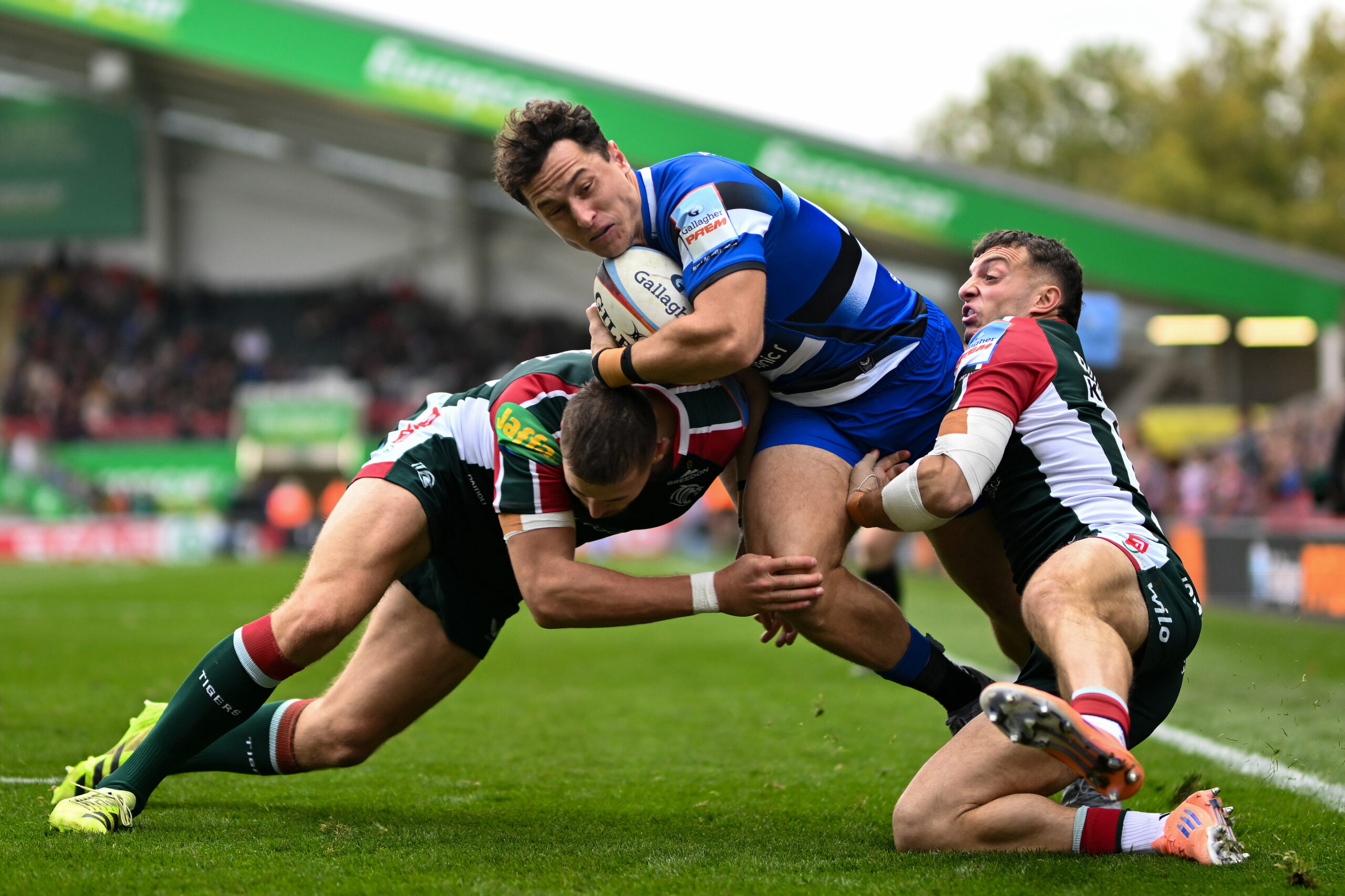
- Rugby union is the 15-a-side game. It is played across all four nations and is by far the most widespread, from village clubs to the Premiership. In England it is run by the RFU (England Rugby), in Wales by the WRU, in Scotland by Scottish Rugby and in Northern Ireland by the IRFU's Ulster branch.
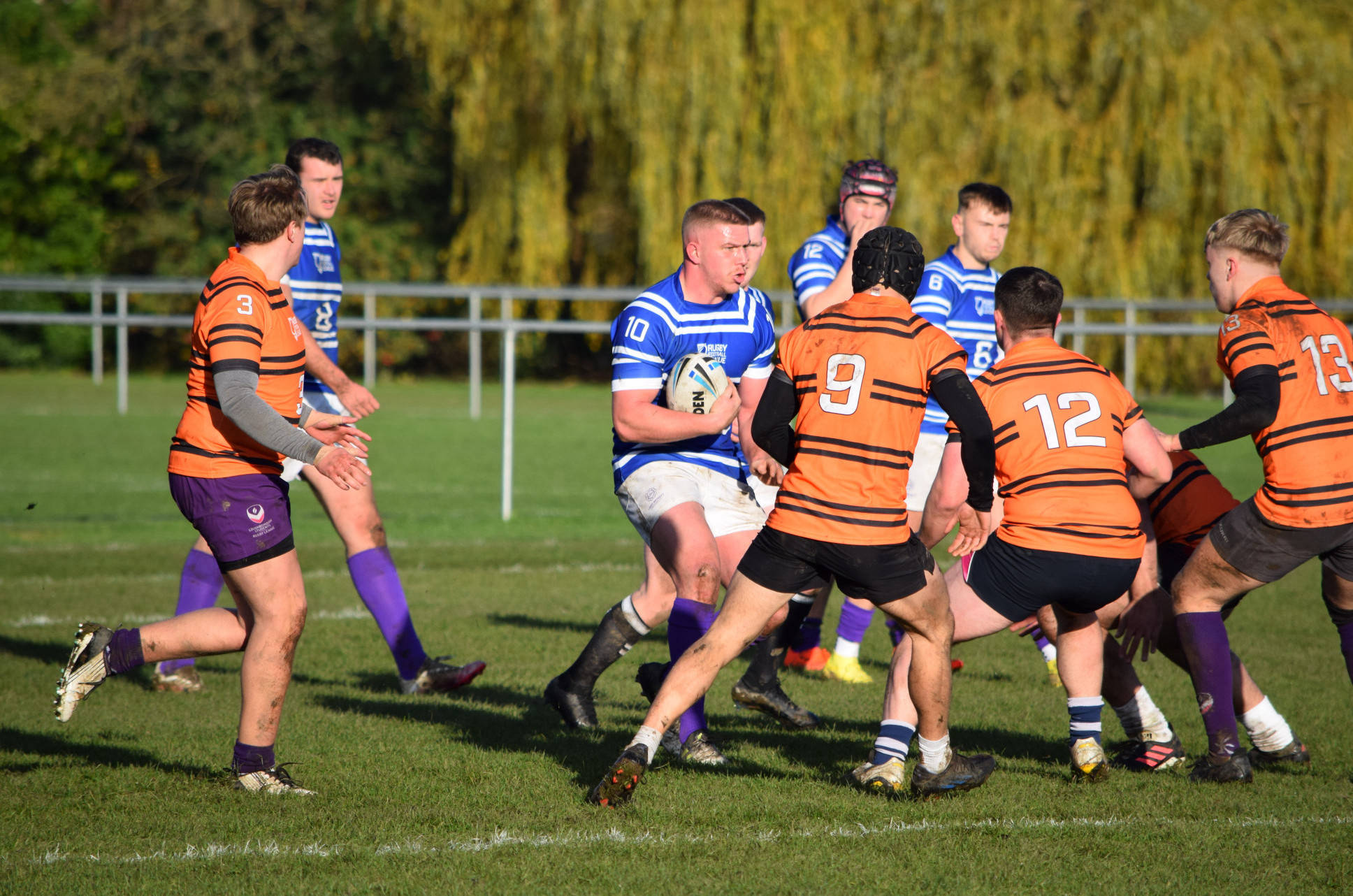
- Rugby league is the 13-a-side game, run by the Rugby Football League. Its heartlands are Yorkshire, Lancashire, Greater Manchester and Cumbria, although there are community league clubs further afield.
If you are not sure which suits you, our guide to rugby union vs rugby league explains the differences. In most of the country the practical answer is simple: play whichever code has a club near you.
Step 2: Search by town or county
Start with the search box on our homepage — type your town, county or a club name. You can also browse by code and region:
- All rugby union clubs
- All rugby league clubs
- Area guides for Surrey, Essex, the South West, Bristol, Birmingham, Cardiff, Leeds and Hull
Each governing body also has its own club search on its website, which is worth checking alongside ours — especially for very small clubs.
Think about distance honestly. Most adult teams train once or twice a week in the evening and play on Saturday afternoons, and junior sections usually train on a weekday evening and play on Sunday mornings. A club 15 minutes away is one you will still be going to in February; a club 45 minutes away often is not.
Step 3: Check the club has the right team for you
Before you get in touch, look at what the club actually runs. Things to check:
- Adult men's and women's teams. Larger clubs field several senior sides at different standards, so a beginner does not have to start in the first XV. Many clubs now run women's teams — see our guide to women's rugby clubs.
- Junior sections. Children usually start with "minis" (tag and non-contact rugby for the youngest age groups) before moving into youth rugby. Our junior and youth rugby guide explains how the age groups work.
- Social and non-contact options. Many clubs run touch rugby, walking rugby or vets' sides — good routes back into the game if you have not played for years.
- Level. If you are ambitious, check which league the first team plays in. Our league structure guide explains the English union pyramid.
Step 4: Get in touch before you turn up
Training times change every season and some sessions are full, so it is worth a quick message first. The best routes, in order:
- The club's own website or Pitchero page. Most clubs list training times, age-group contacts and a membership or "new players" email.
- The club's social media. Many grassroots clubs post more regularly on Facebook and Instagram than on their website, and a direct message often gets the fastest reply.
- The phone number for the clubhouse. Useful in the evening, when people are around.
Where we hold a club's contact details, you will find them on its profile page, with a note of where and when we checked them. Where we don't yet, the profile says so and points you to the right governing body.
A short message is enough: who you are, your age group or experience, and which session you would like to come to.
Step 5: What to take to your first session
You do not need much to start:
- Boots with studs — rugby or football boots are fine to begin with. Check the club's pitch: some clubs train on artificial grass, which needs moulded studs.
- A mouthguard. Essential for any contact session.
- Old kit you don't mind getting muddy, plus a warm layer and a waterproof.
- A water bottle.
Arrive 10–15 minutes early and tell the coach you are new. They will usually start you in non-contact drills while they see what you can do.
Step 6: Joining and registering
Most clubs let you train a few times before you commit. When you do join, you will normally pay an annual membership fee and be registered with the governing body. Registration matters: it is how you are eligible to play in league matches, and registered players are usually covered by their union's player insurance scheme. Ask the club to confirm what its membership includes.
Frequently asked questions
Am I too old to start playing rugby?
Very rarely. Clubs regularly take on beginners in their twenties, thirties and beyond, and lower senior teams and vets' sides are used to bringing new players through. If full contact is not for you, touch and walking rugby are good alternatives. Our guide to starting rugby as an adult covers this in detail.
Can I join a club halfway through the season?
Yes. Clubs welcome new players throughout the season, which in the community game typically runs from September to April. Pre-season training in summer is a particularly good time to start.
What if there isn't a club in my town?
Look at the neighbouring towns in your county — our county lists on each club page make this quick. University and services clubs sometimes take community players too. And if there genuinely is nothing nearby, our guide to starting a rugby club from scratch explains how others have done it.
My club isn't listed — can I add it?
Yes. Club officials can register a club for free or claim an existing listing to add contact details, training times and a badge.